“Not everything that is faced can be changed, but nothing can be changed until it is faced.” – James Baldwin
To put it mildly, Saturday, our first full day spent in Montgomery was good but an emotionally challenging and overwhelming day. We visited several sites that hold some of the most painful chapters of American history. Places that don’t just inform you, but ask you to face, head-on, one of the most difficult questions in life – “Why?”
Our first stop was The National Memorial for Peace and Justice. An outdoor memorial park that leads you through a powerful installation that traces the history of racial lynchings in the United States, county by county, name by name.
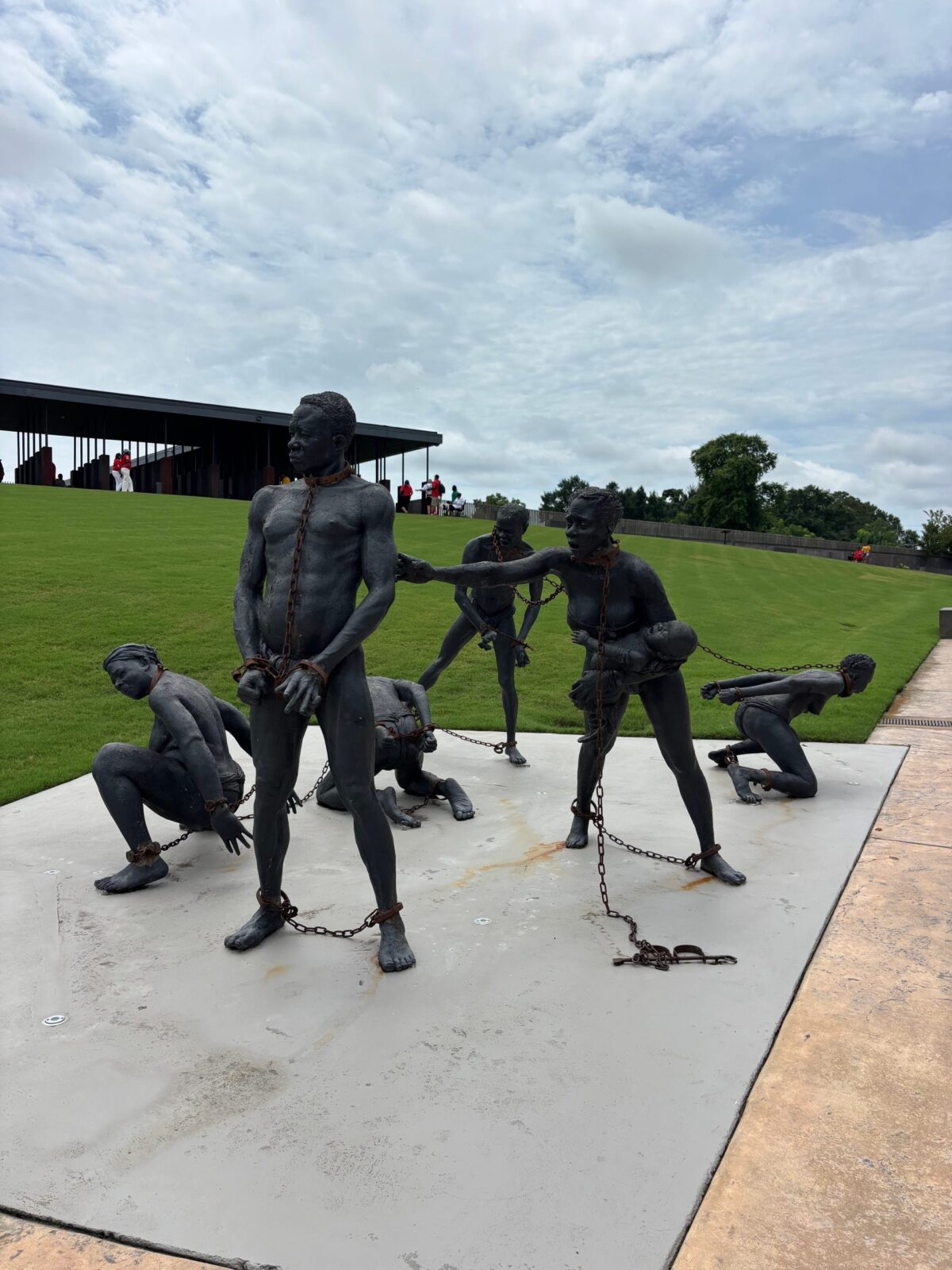
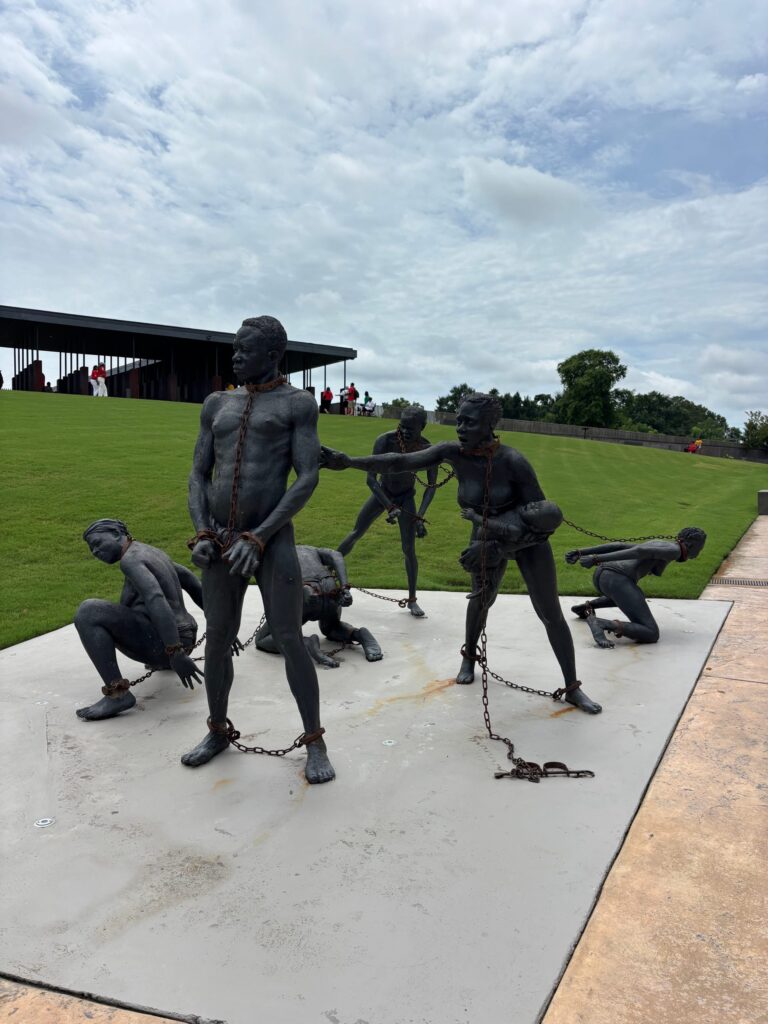
It begins with a sculpture of enslaved people in chains – men, women, and children – reaching out and begging for their lives. It is extremely difficult to see and deeply emotional.
From there, you walk up a quiet path to an instillation of steel monuments hanging from the ceiling.
At first, they are at eye level. Then they begin to rise. And as you move forward on a downward slope, they rise higher still, until eventually you are no longer looking at them but you are standing beneath them.
At that point, you’re looking directly up.
It’s intentional.
Powerful and impactful.
You are now in the position of a witness. You are not just an observer but you’ve become part of the experience.
I’ve included photos the best I can, but there is no way to fully translate the immense scale or the heavy feeling of standing under those columns of names. My hope is that you go slowly, respect them, and sit with them.
Take your time.
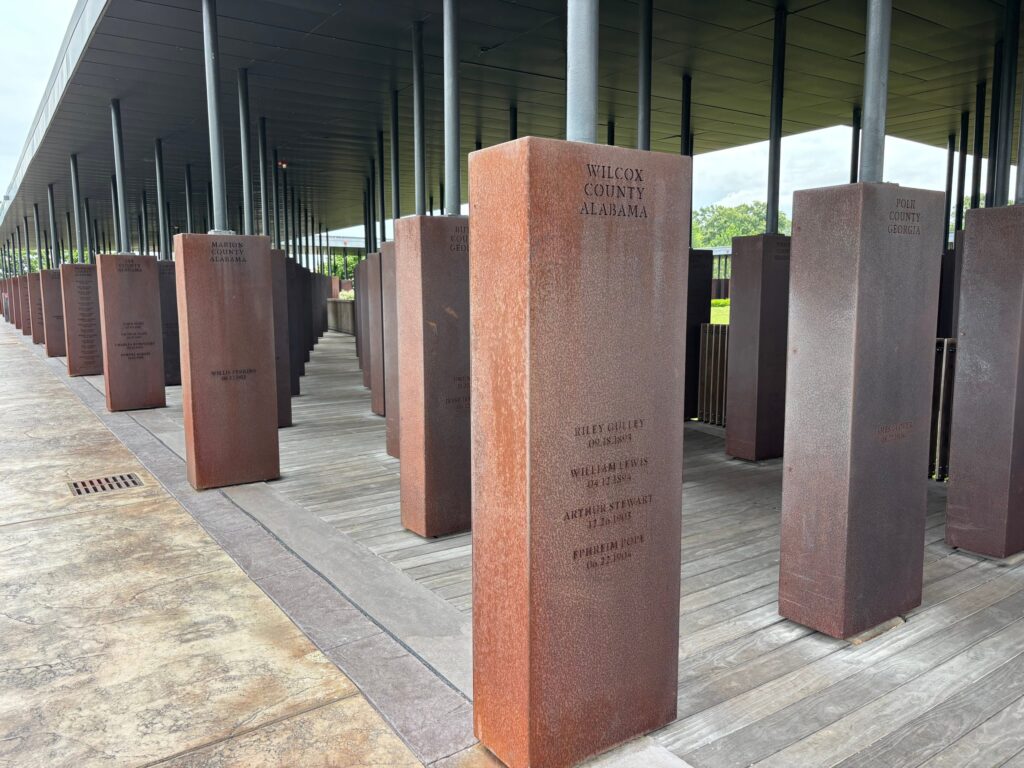
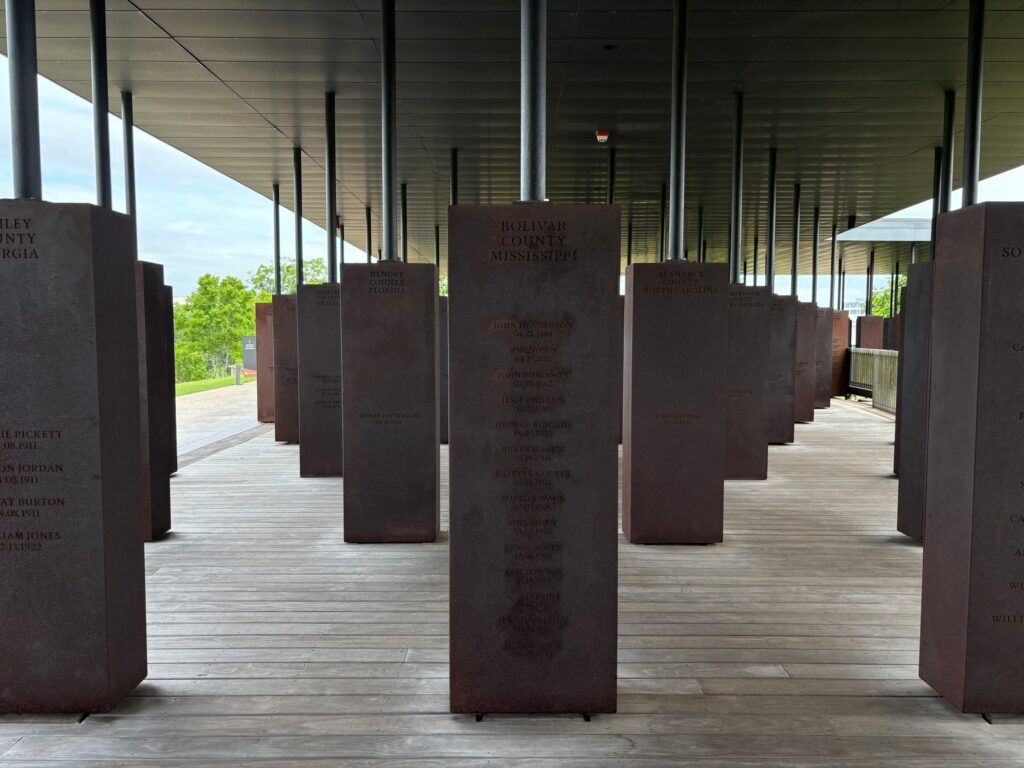
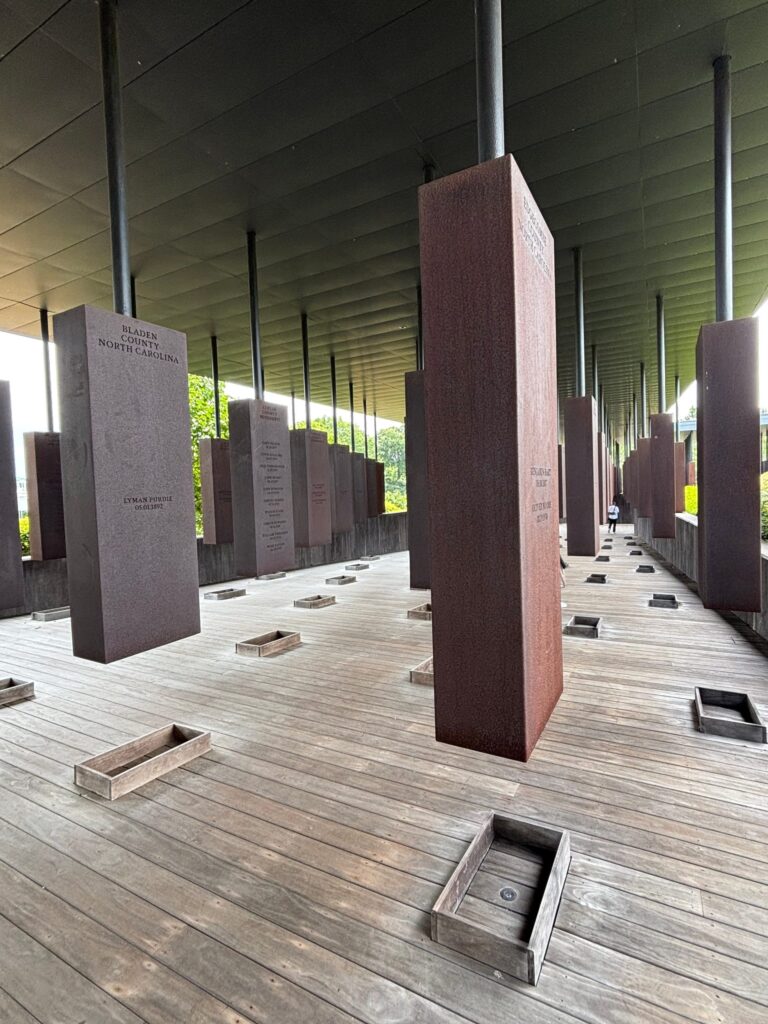
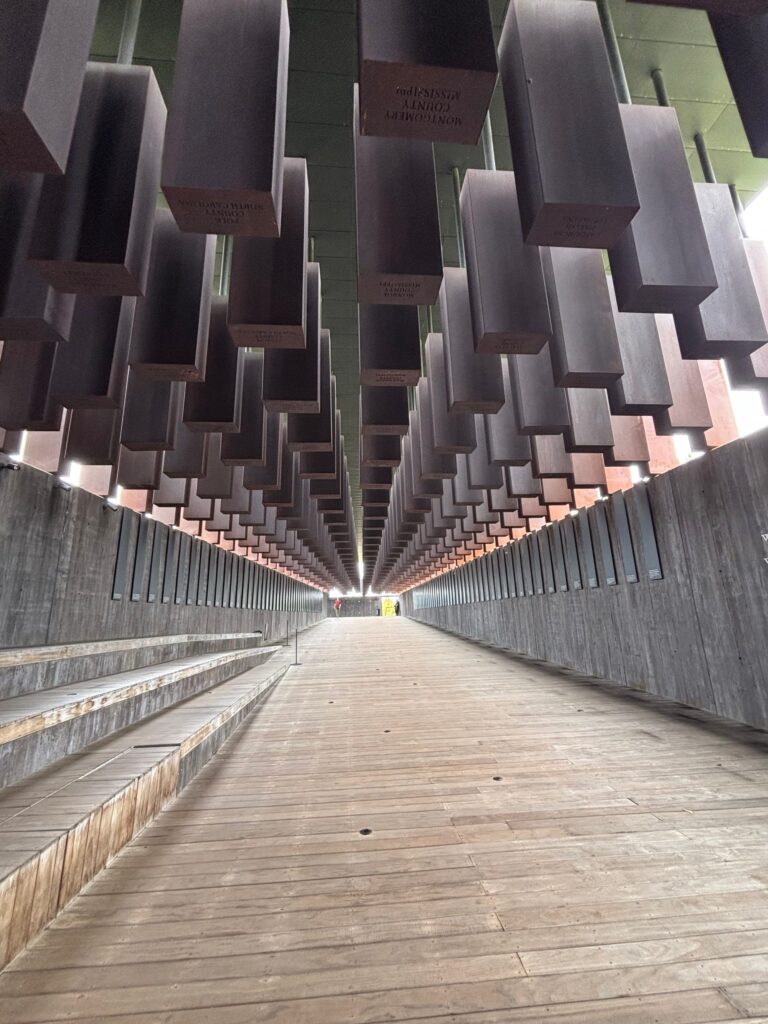
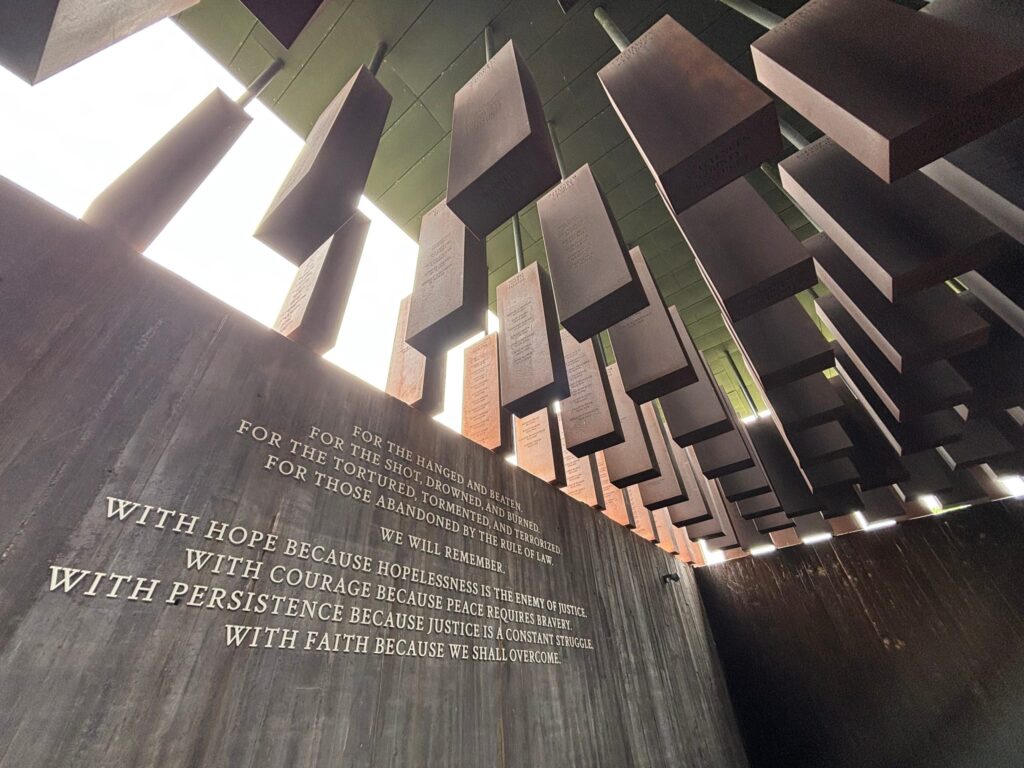
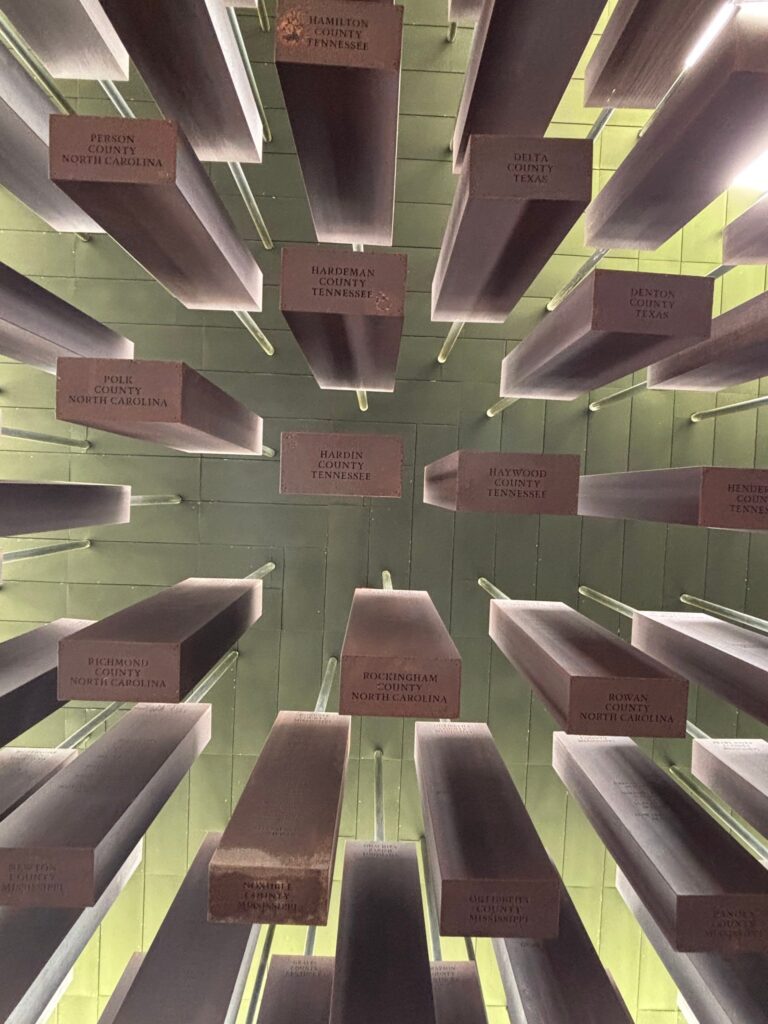
While we were standing beneath the installation, my dad began speaking with a group of African American women who were also visiting the memorial. He was visibly emotional as he apologized for what their families and communities have endured. They responded with grace and kindness. One of them thanked him and said something along the lines of, “It matters that you’re here. We all must come to places like this so nothing like this ever happens again.”
She’s right. It’s all of our responsibility to bear witness, share our experience, and make sure this never happens again.
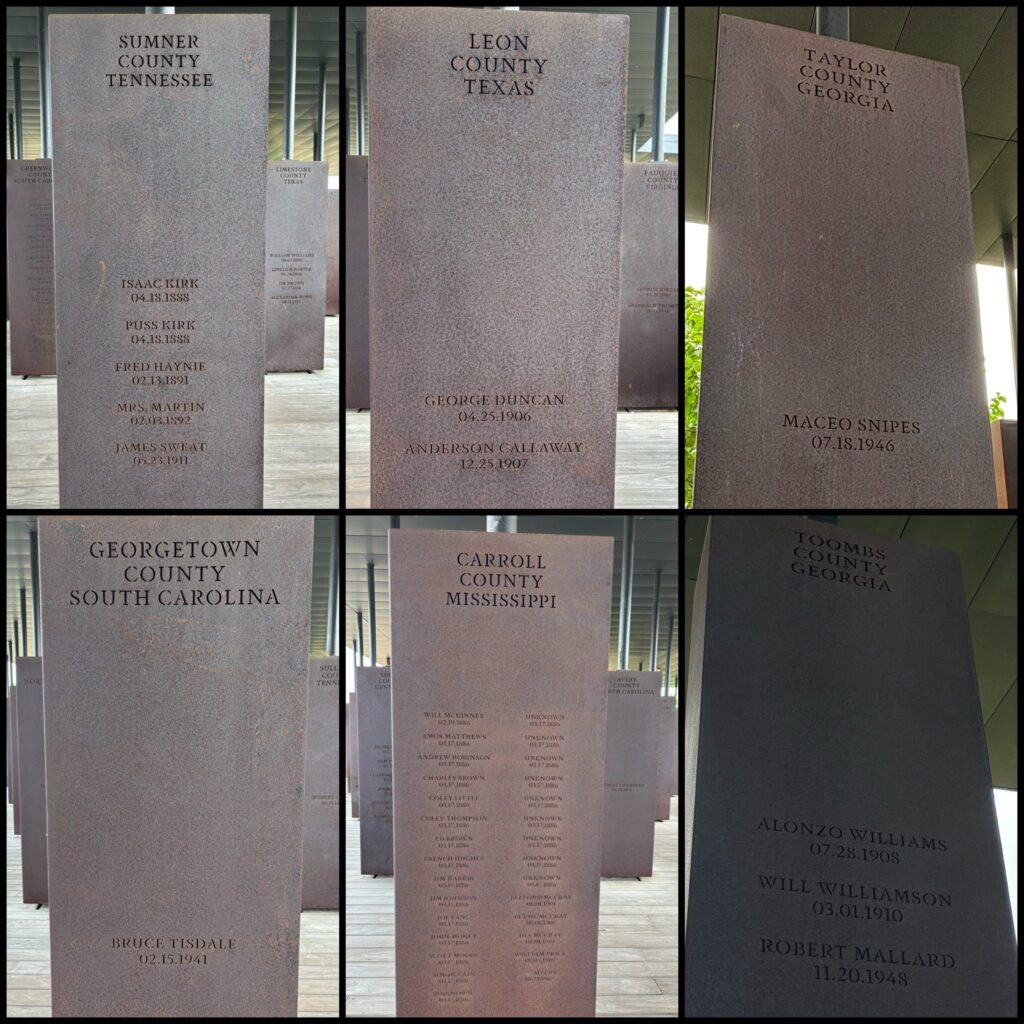
Each hanging monument is engraved with a county, a state, a date, and the names of people who were lynched between 1877 and 1950…more than 4,400 lives are documented here.
I studied many of the pieces. Reading the names and the dates. Recognizing dates that were after WWII was mind blowing to me. I noticed that many were lynched together on the same date – some were families and many were unknown. They even lynched Anderson Callaway on Christmas Day in 1907…how very Christlike of them.
Later, I researched when the last lynching in the United States occurred – not that long ago and shockingly in my lifetime (I was born in 1978).
The 1981 lynching of Michael Donald in Mobile, AL is historically regarded as one of the last confirmed lynchings in the United States.
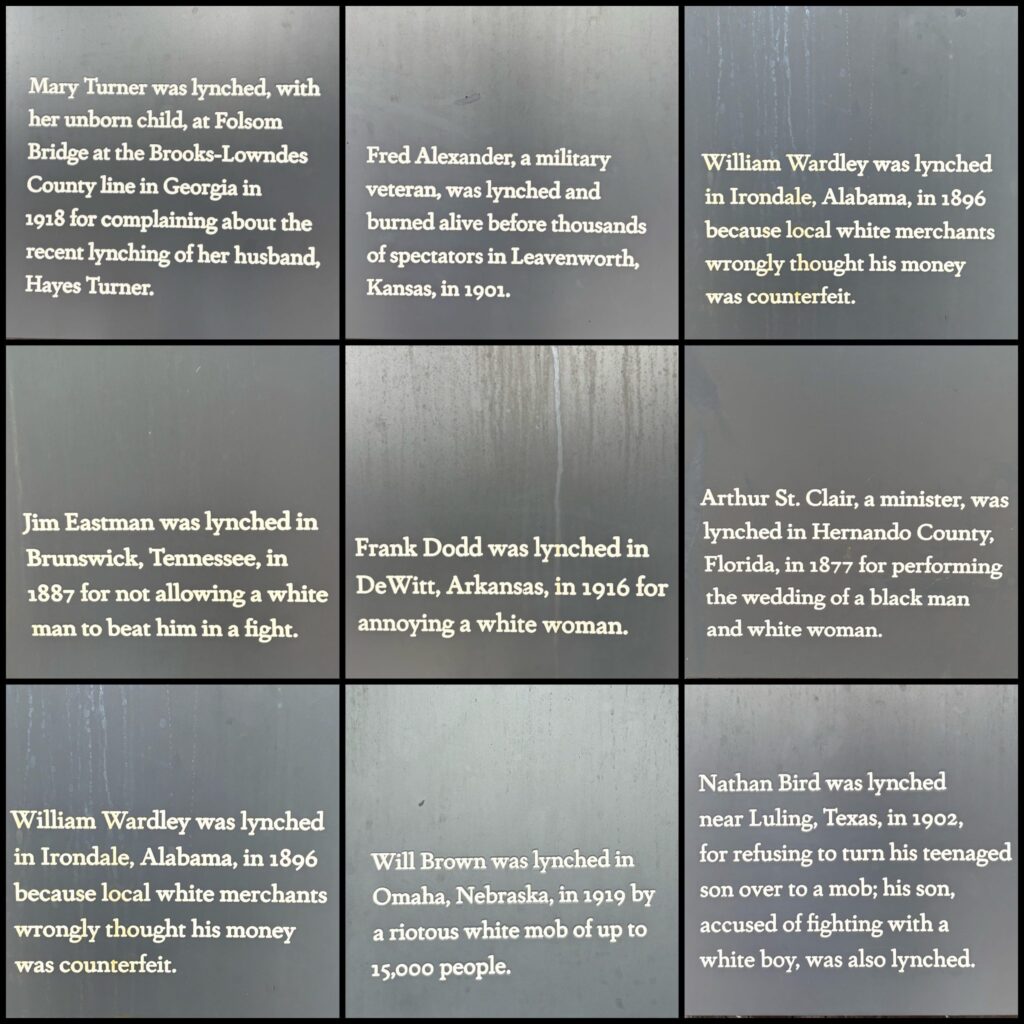
Below are a few of the recorded “reasons” people were lynched. They are so arbitrary and grotesque they almost defy comprehension. What also stood out was the scale of participation in some of these events, often described as mobs of hundreds or even thousands of people. In some cases, it was treated like a carnival – they sold popcorn and souvenirs – disgusting. It made me realize that the violence was not just isolated acts, but a system of collective permission, participation, and enjoyment. My sadness was turning into anger.
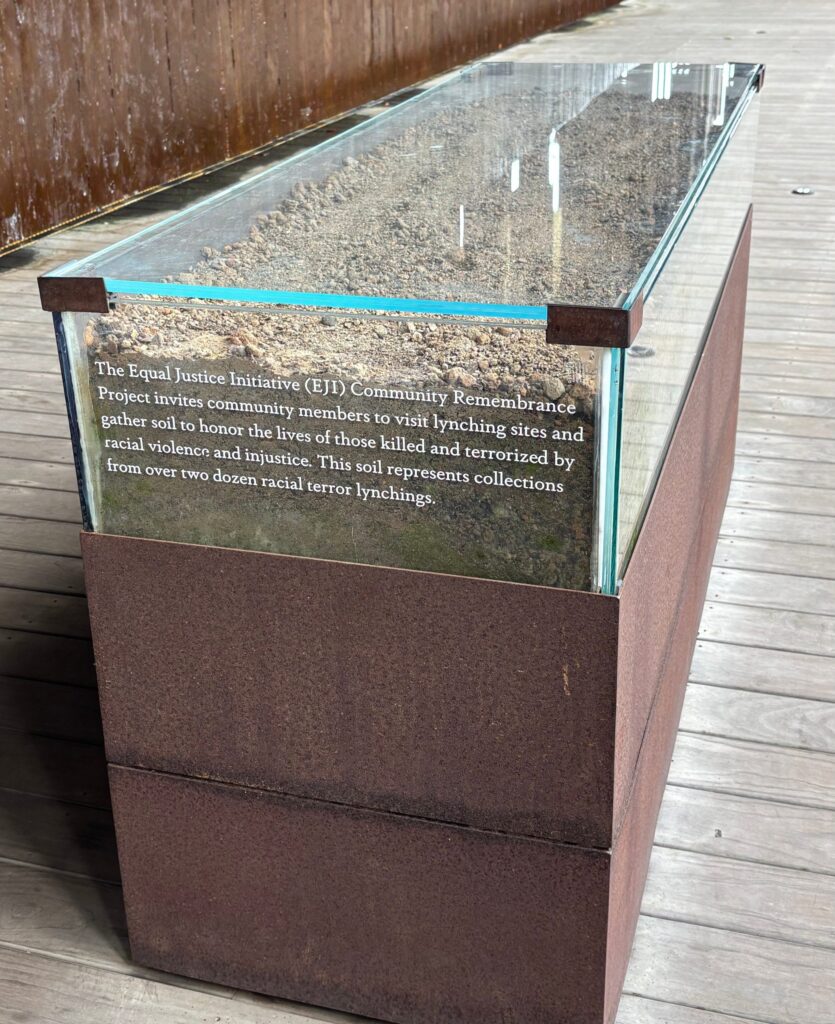
Near the end of the memorial, there is a glass case filled with soil collected from lynching sites across the country to honor and give dignity to those who were murdered.
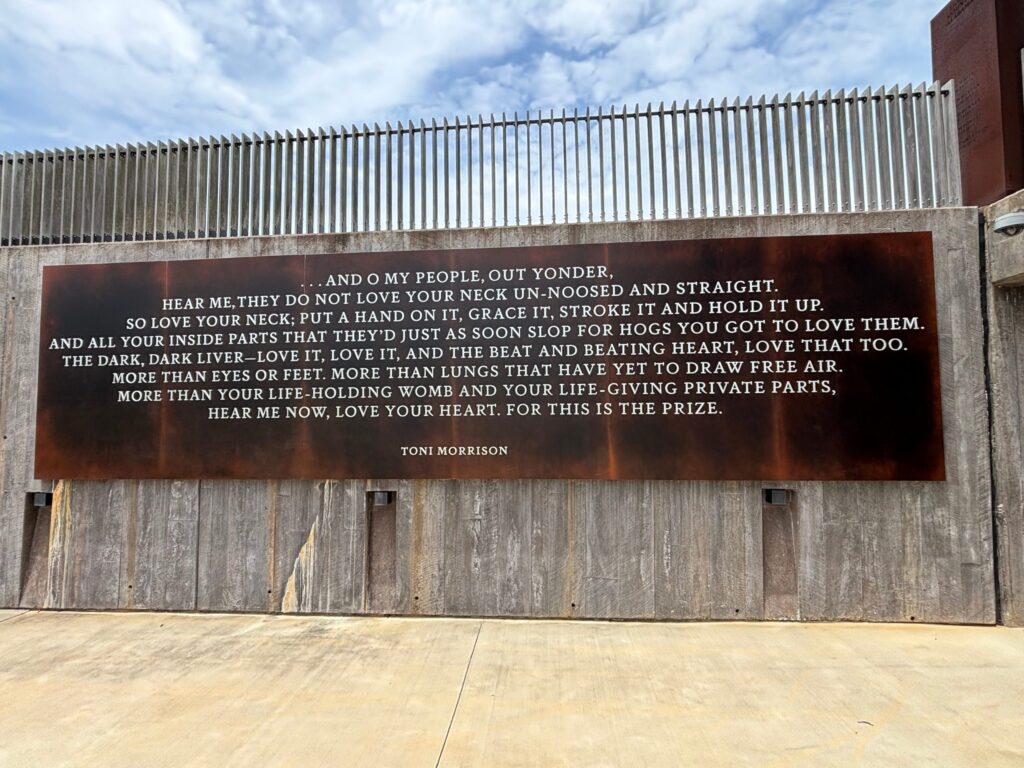
At the exit, there is a beautiful piece of poetry written by Toni Morrison.
We spent two hours at the memorial and were emotionally and physically drained from the weight of exhibit. It was 90-degrees outside under the Alabama sun and the memorial is close to a one mile walk.
We needed a break.
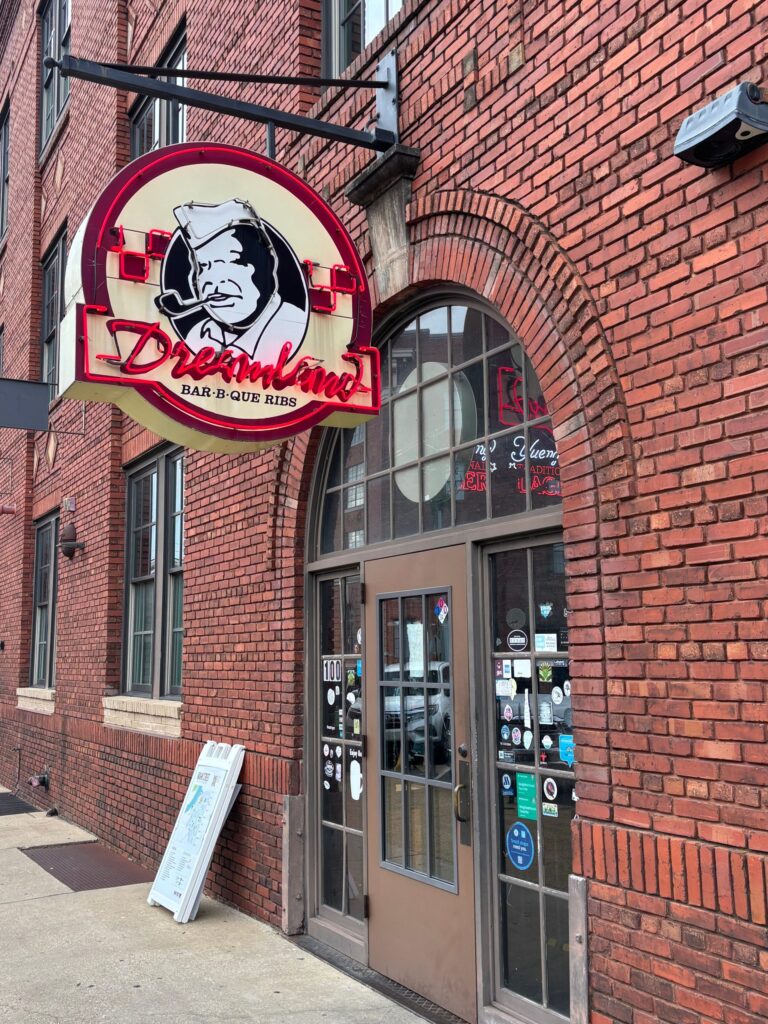
A man working at the memorial recommended a popular local restaurant – Dreamland BBQ not too far away. Being from Kansas City where BBQ is considered “the best in the country,” we had to give the local flavor a try.
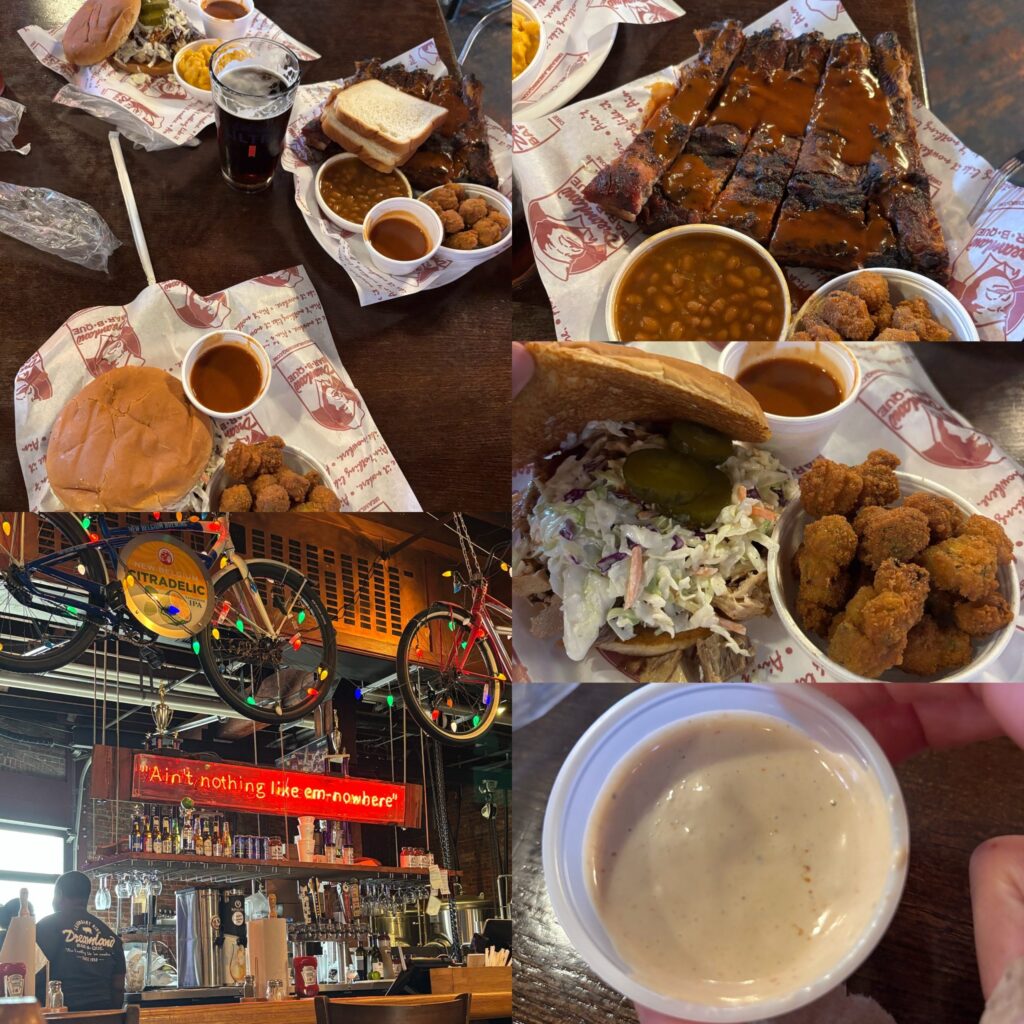
Victor, our waiter, recommended the ribs or the pulled pork sandwich with “the works” (coleslaw included). My dad got the ribs and my sister and I got the sammie. I would say it was good and satisfying but not like KC. They use more vinegar to the meat hits your tastebuds differently. KC uses a sweeter, thicker sauce that I prefer. I’ll probably always be partial to KC BBQ. Sorry, Montgomery and Memphis.
I do like their motto though, “Ain’t nothing like em-nowhere.”
After lunch it was raining so we decided to make the one hour drive to Selma.
The first thing you experience driving into Selma is the Edmund Pettus Bridge. Named after Edmund Pettus, lawyer, US Senator, and Grand Dragon of the Ku Klux Klan. Gross.
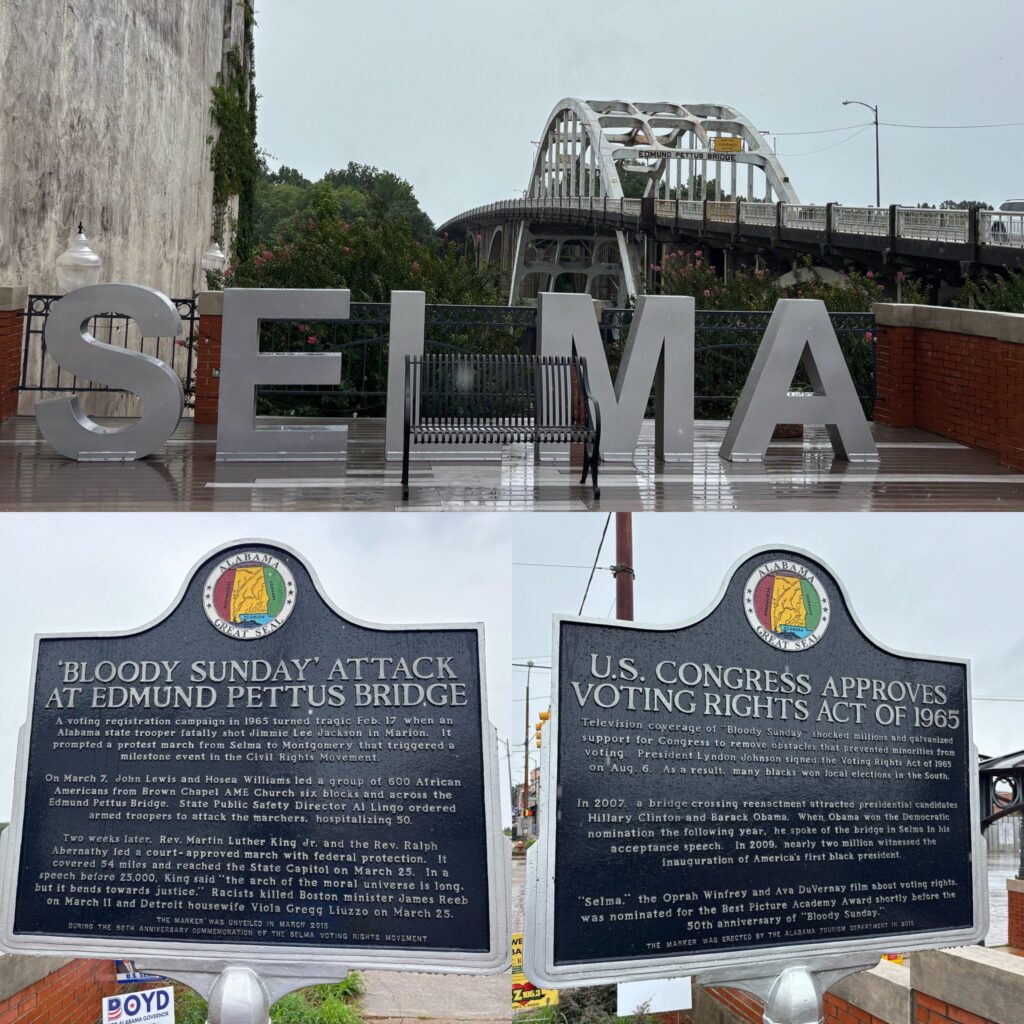
Standing there, knowing what happened on that bridge during the 1965 Selma to Montgomery marches, gave me the chills and made me feel a little uneasy. The 54-mile march for voting rights began here, and what followed on “Bloody Sunday” is one of the most gruesome images of the Civil Rights Movement.
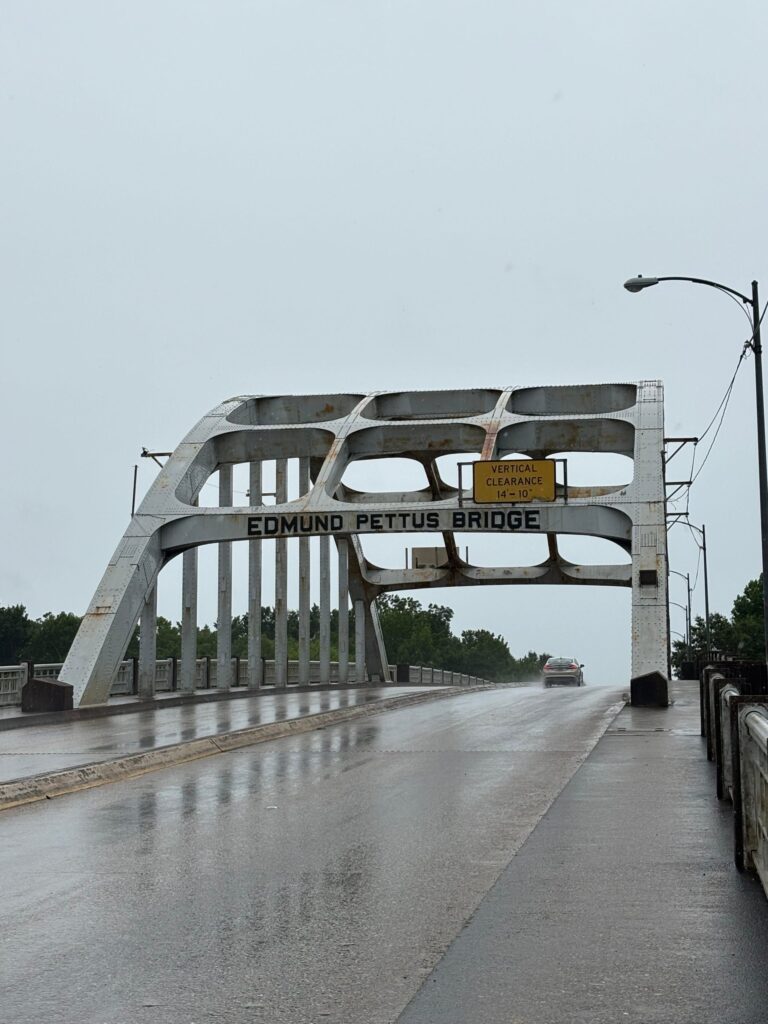
I don’t know if I would have been as brave and courageous as these men and women who marched, knowing what they would be facing on the other side of that bridge.
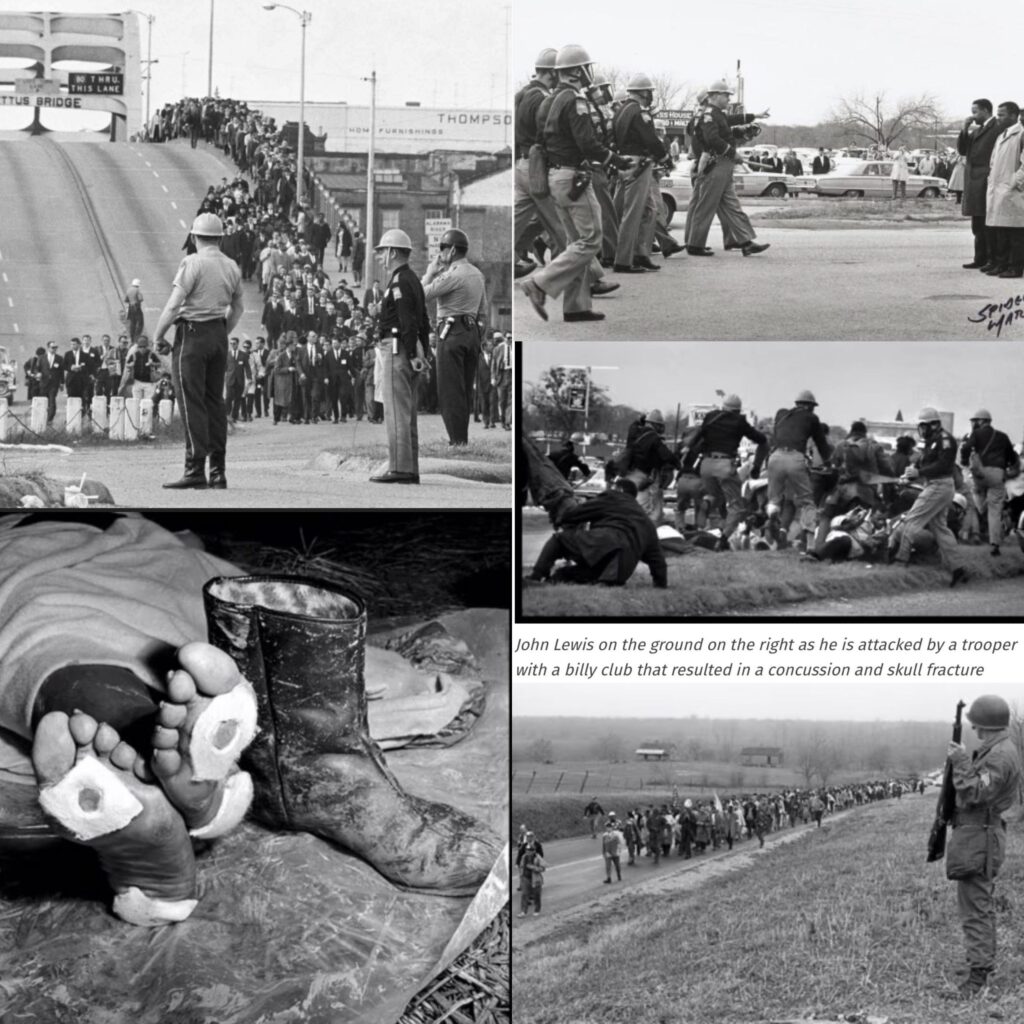
But they did it and because of their bravery, the Voting Rights Act was passed in 1965.
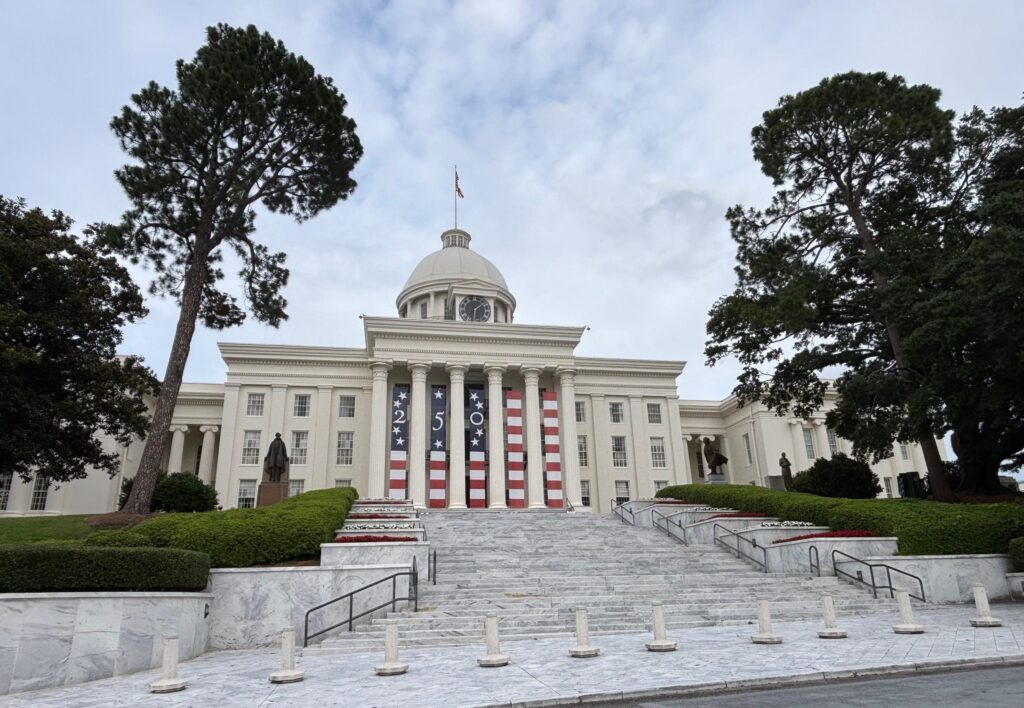
When we retuned to Montgomery later that afternoon, we drove by the State Capitol Building to see where Martin Luther King Jr. gave his famous speech, “How Long, Not Long,” after the march from Selma.
Our final stop for the day was a bus stop in Montgomery where Rosa Parks once stood her ground. Nearby is the Rosa Parks Museum, which we unfortunately weren’t able to visit while we were in town. It wasn’t much to see and like any old bus stop in a big city but ordinary places are often where extraordinary change begins.
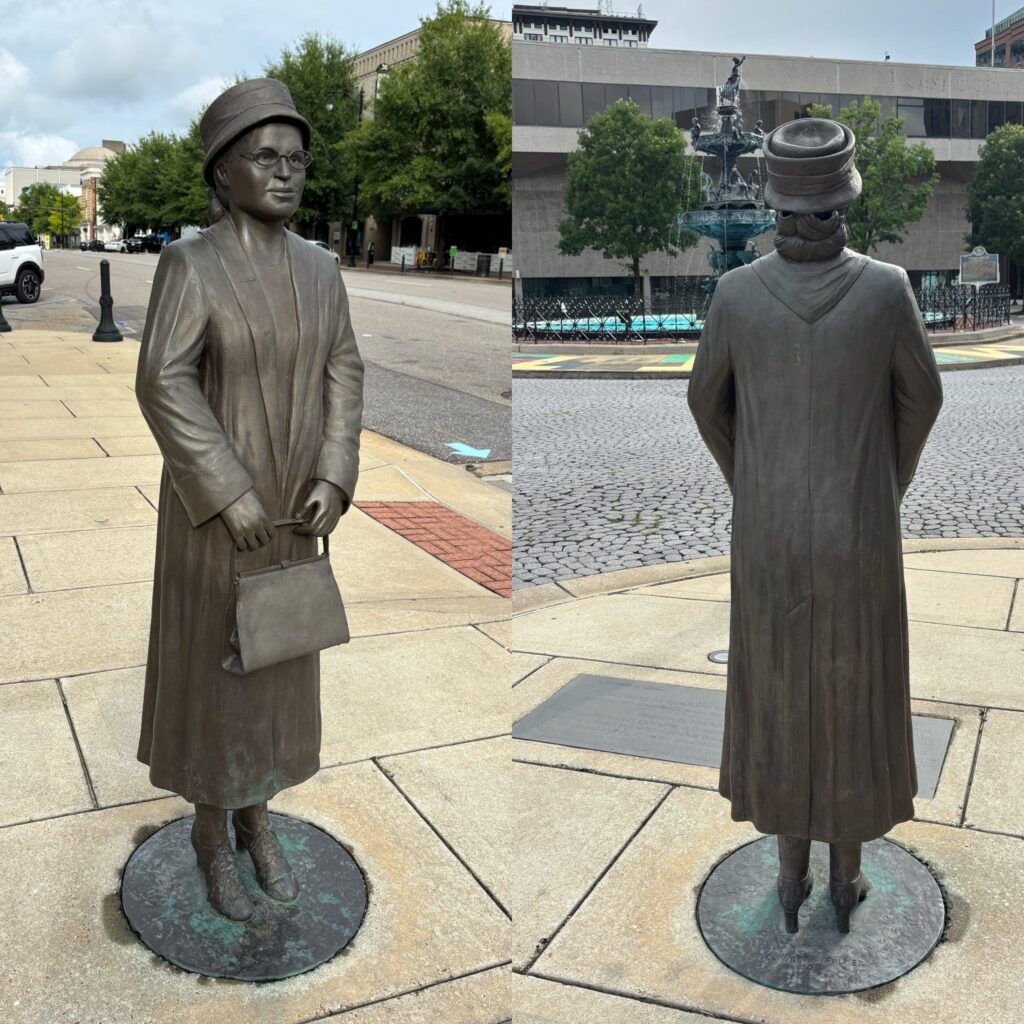
It was a full day. A heavy one but an important one. And I’m still processing it. It’s going to take time.
As a reminder, or if you didn’t see my post from yesterday. The Equal Justice Initiative (EJI), has created an extraordinary collection of educational sites in Montgomery. Admission is just $5 and includes access to four sites, complimentary shuttle transportation, and a boat ride on the Alabama River. Tickets are valid for a full year.
The sites include:
Much love & gratitude. Namaste 🙏
Don’t forget to like and share this post, please. Thank you.
To see more photos and videos from my adventures, follow me on social media. Facebook, Instagram, YouTube, TikTok, BlueSky, and Threads or find me on LinkedIn.
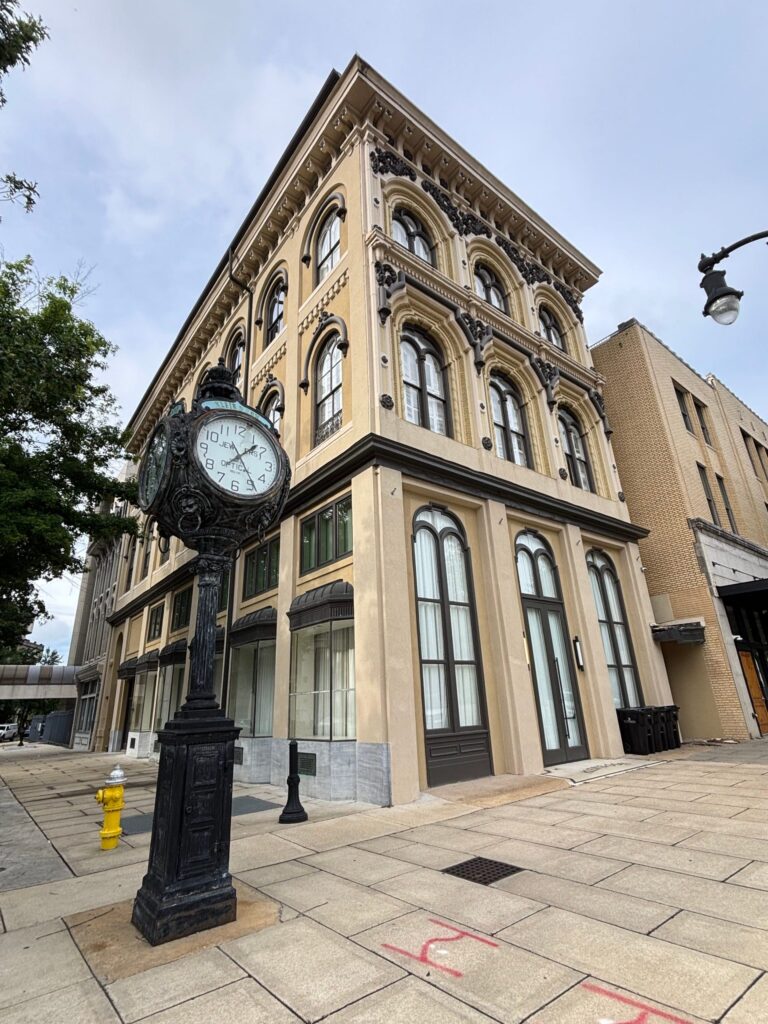
I was moved by this beautiful building and clock near the Rosa Parks bus stop so I snapped a photo.
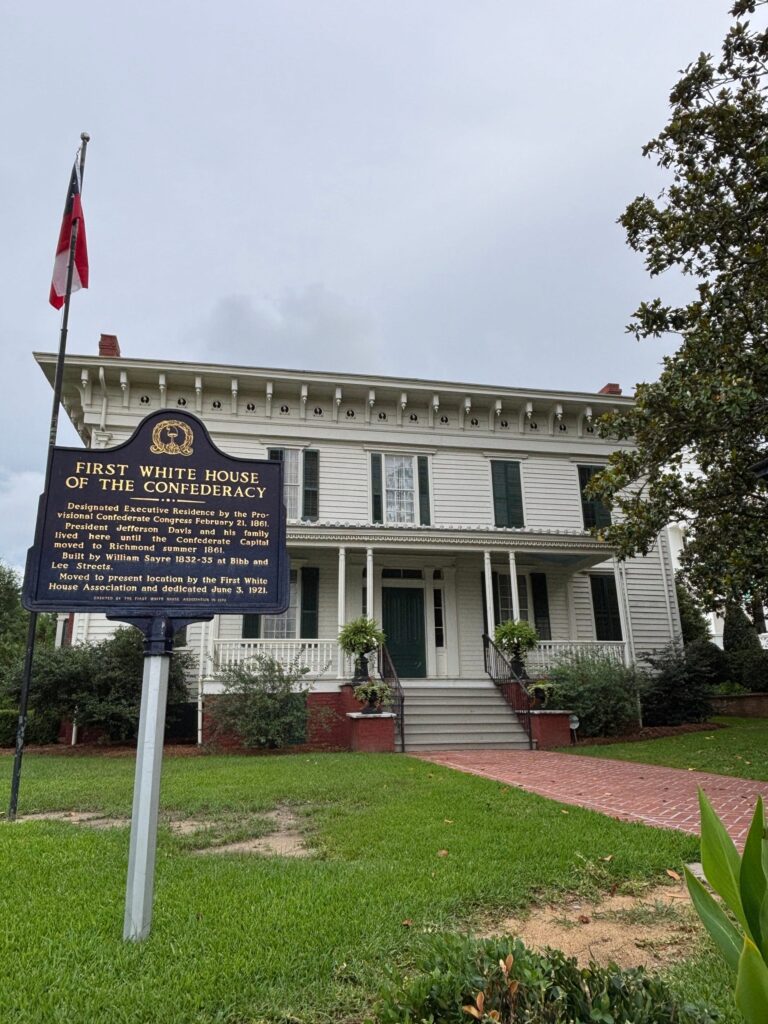
Near the State Capitol is the First White House of the Confederacy. I was annoyed just looking at it…but it is part of our history. It’s better to acknowledge it and learn from it to make sure we don’t allow this to happen again.
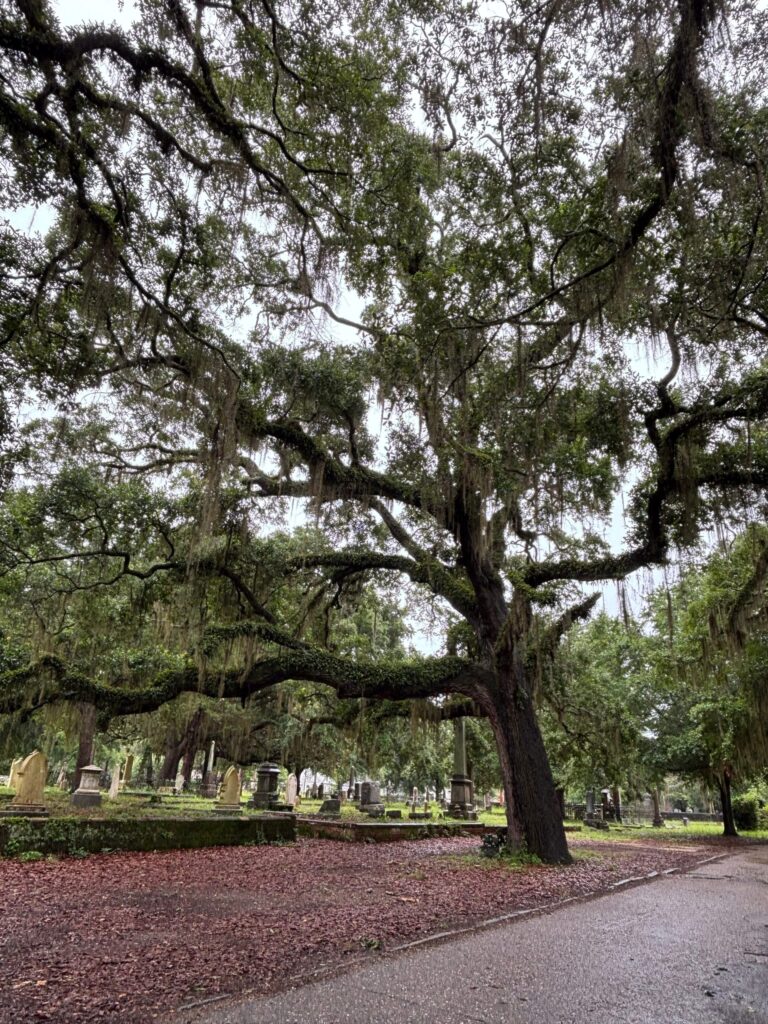
While we were visiting Selma, the Old Live Oak Cemetery was recommended for the beautiful headstones and trees draped with Spanish moss.
While driving around we stumbled upon a section dedicated to Confederate soldiers. Many of them unknown but a few headstones with names and dates.
I was shocked to see it – the Confederate flags caught me off guard.
A friend said to me, “Emily, the deceased always need to be respected, even if they were on the wrong side of history.” I’m not sure I agree so acknowledging their existence is as far as I’ll go for now.
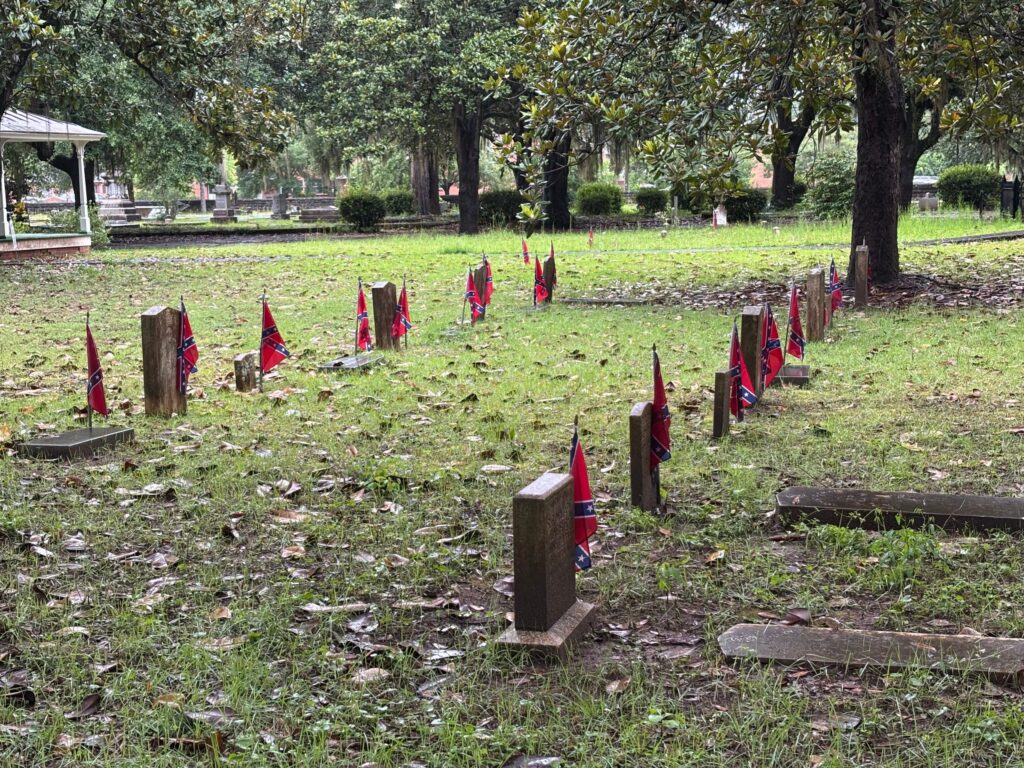
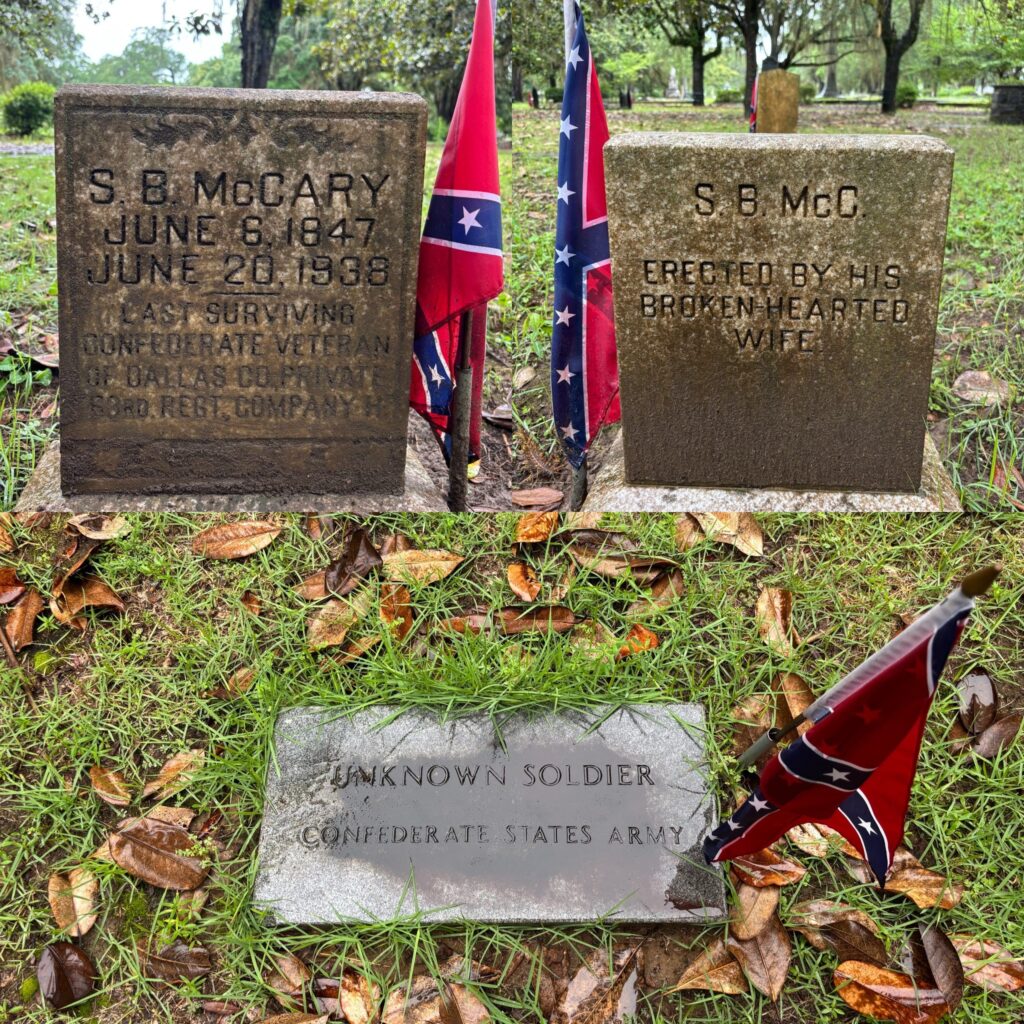
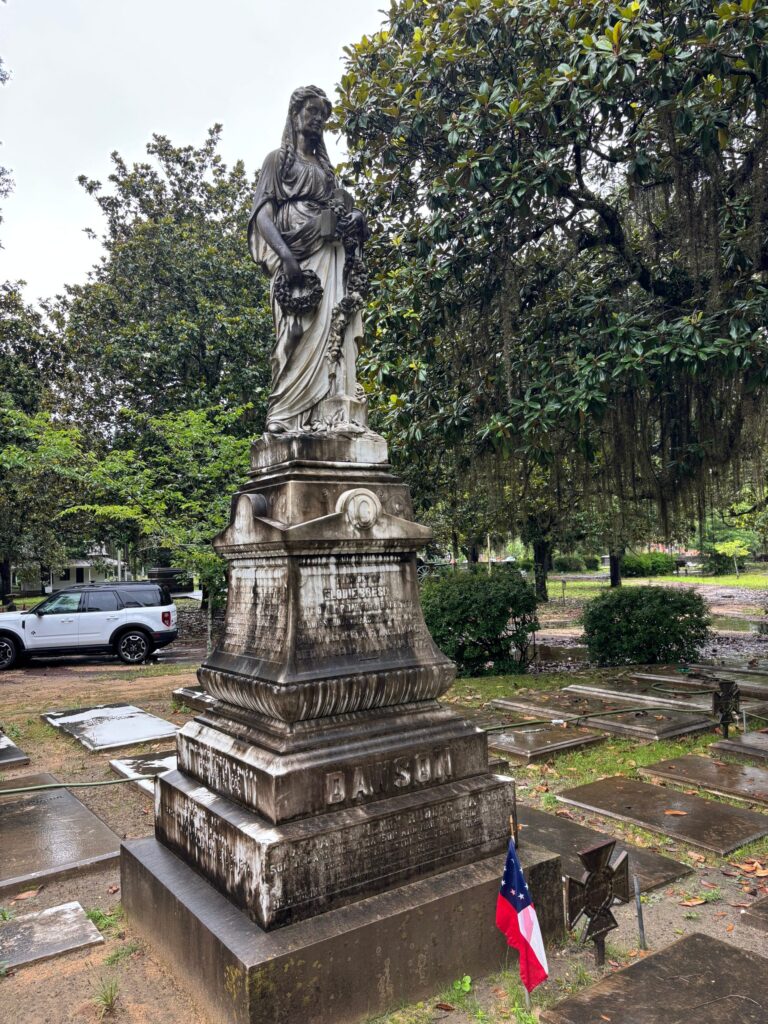
Ironically, Mary Todd Lincoln’s half sister (Abe’s half sister-in-law), Elodie Todd Dawson and her husband Col. Nathaniel H. R. Dawson are buried in the Confederate Circle in the cemetery – which she helped commission. Elodie is famous for stealing intel from the White House and giving it to her husband who was a Colonel for the Confederate Army.
You can’t choose your family.
Found online:
From Live Oak Cemetery Tour Guide:
“Elodie Todd Dawon was the half-sister of Mary Todd Lincoln, the wife of President Abraham Lincoln. She had 17 full or half siblings. She spearheaded the effort to build the Confederate Monument in what is now Confederate Memorial Circle. After his wife’s death, Nathaniel H.R. Dawson ordered the sculpture of his wife from Italy, but when it arrived he was dissatisfied with her hair so he sent the statue back to Italy for a rework.”