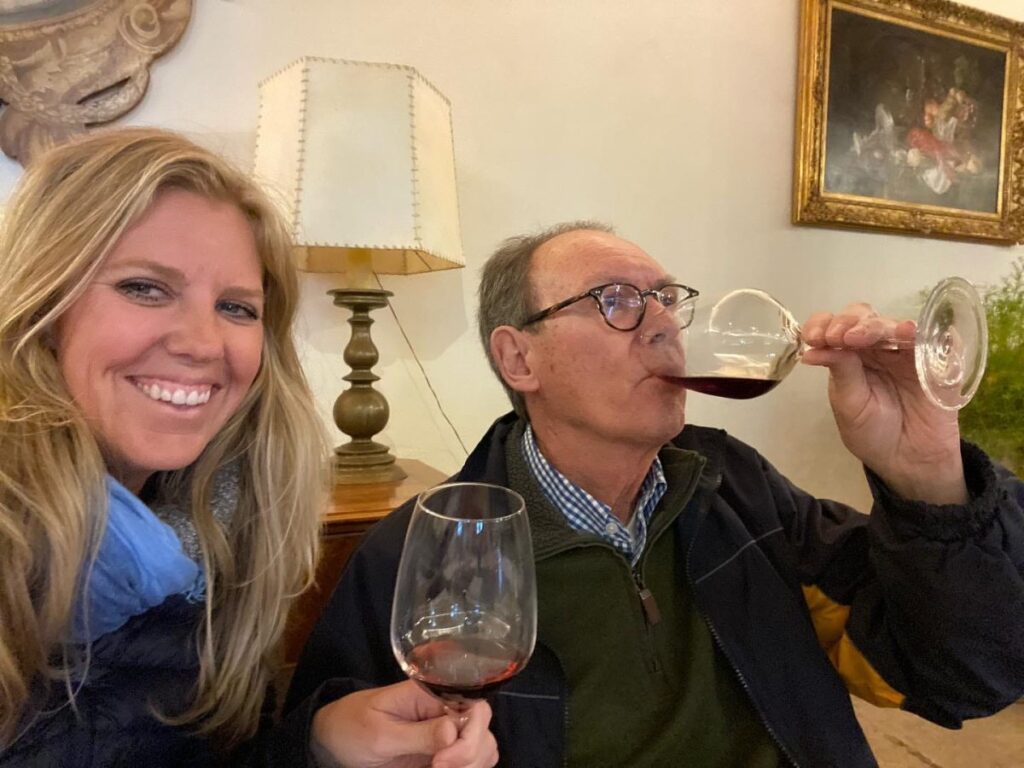
Technically we had ten. 🍷
My dad and I went on an all-day wine & olive oil-tasting tour through the Chianti region of Tuscany…everyone was very tipsy and full of bread by the end.
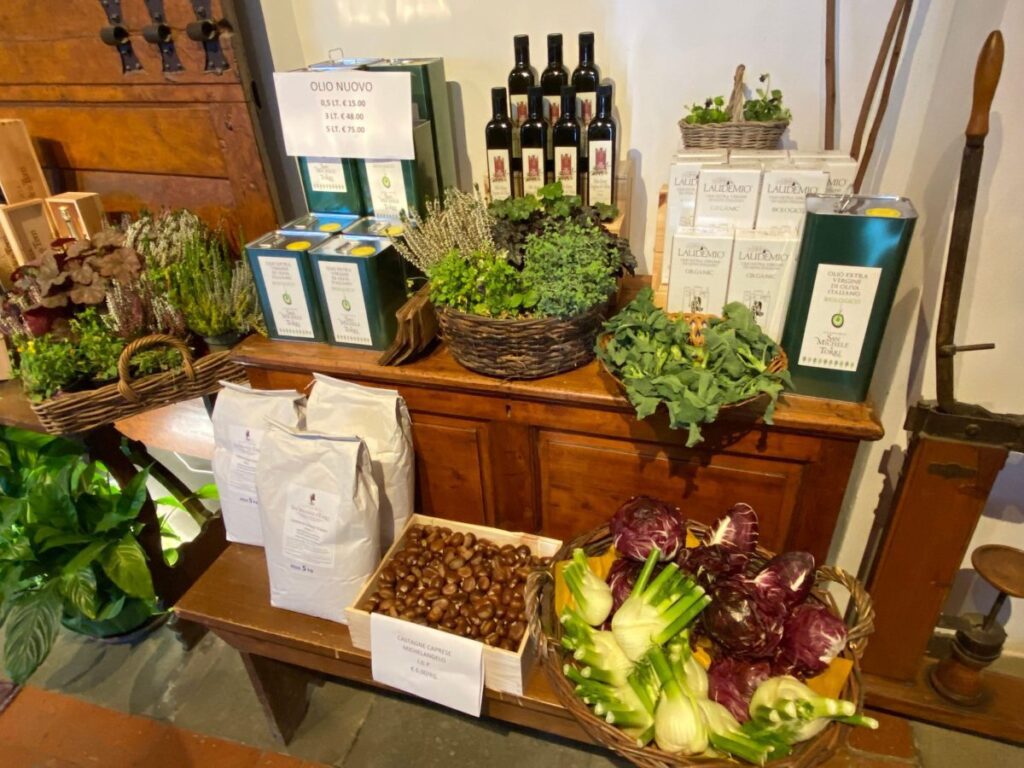
Most everyone was there for the wine, but, me being the nerd that I am, I was there for the olive oil…and this is why. October/November is when they harvest and press the olives so the oil is the freshest. It is dark green in color and spicy to taste. It’s absolutely delicious. After a few months in the bottle, the oil will “settle” and lose some of its potency, and the green color will begin to fade. It’s truly an art form.
The tour bus took off at 9am sharp with Nino driving and Daniele (Daniel) as our tour guide. Daniele explained a few things on our way out of town about Florence, the wine industry, and this particular region of Tuscany that produces win known as either Chianti Classico or Chianti Generale depending on the location of your vineyard. The difference in the Classico and the Generale is the percentage of Sangiovese grapes they use. Classico requires 80% of this special grape to be included in the blend and Generale only requires 70%. Chianti Classico is the premier wine in the area and is identified on each bottle with a black rooster. That little black symbol means the really good wine is €7-€10 instead of the so-so wine for €2-€5. God, I love Italy. Definitely look for the little black rooster when purchasing your next bottle of Chianti…the wine is delicious. Click here to learn the legend of the black rooster.
There are approximately 600 wineries in the Tuscan region and roughly 200 of them produce Chianti Classico.
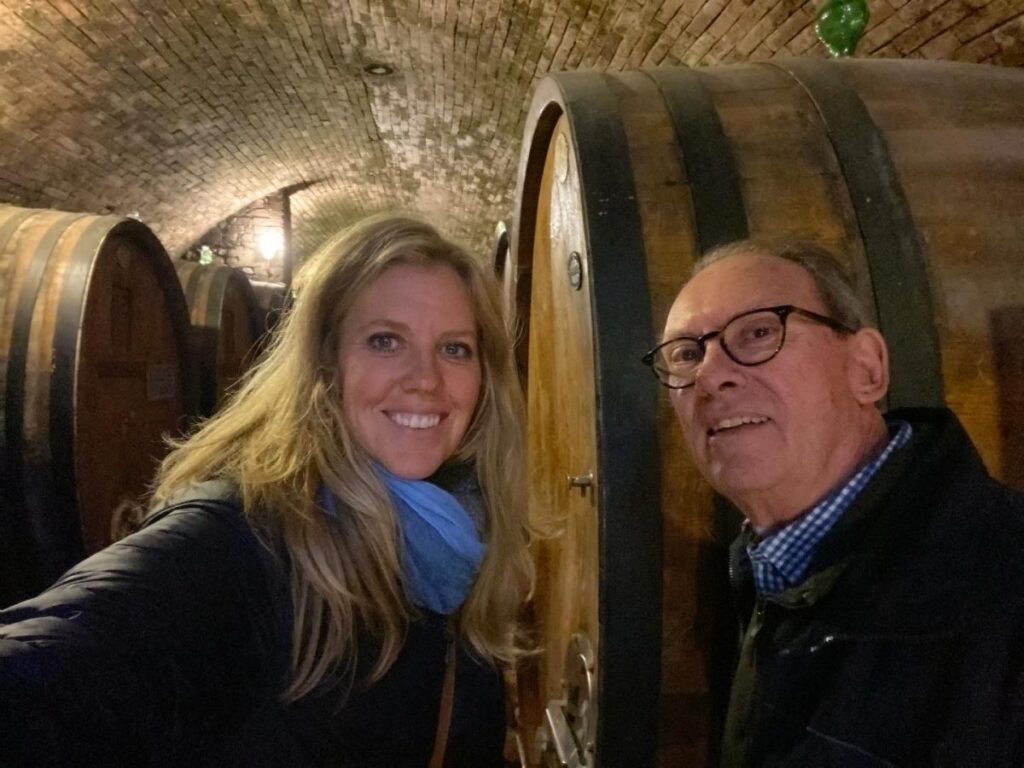
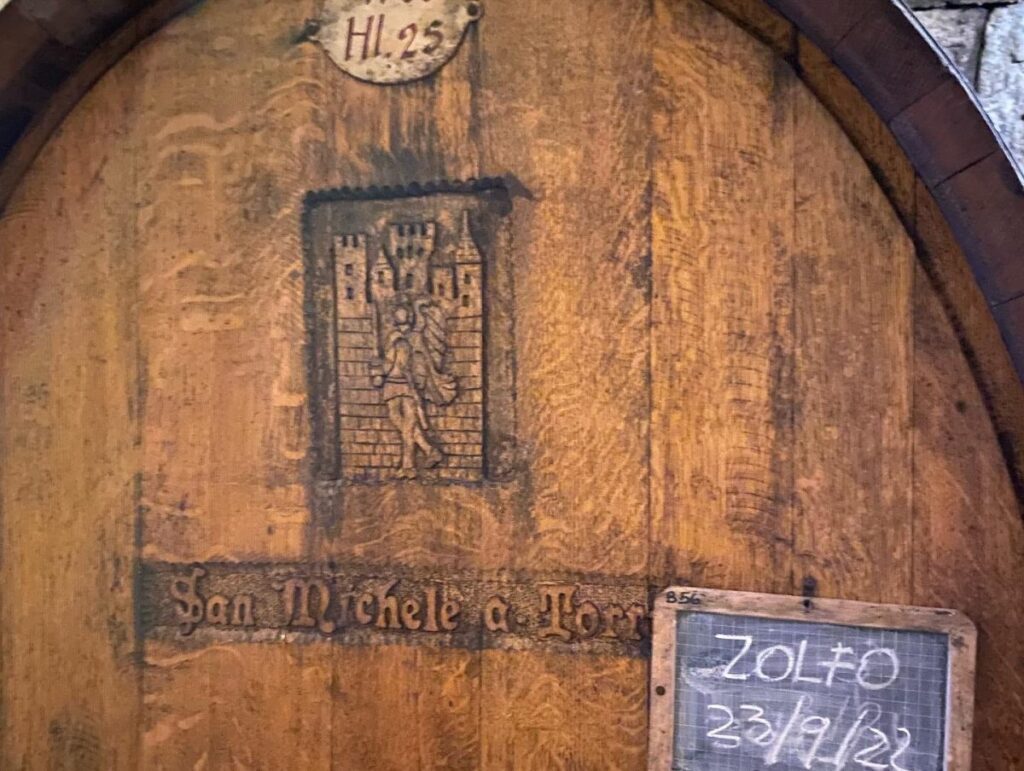
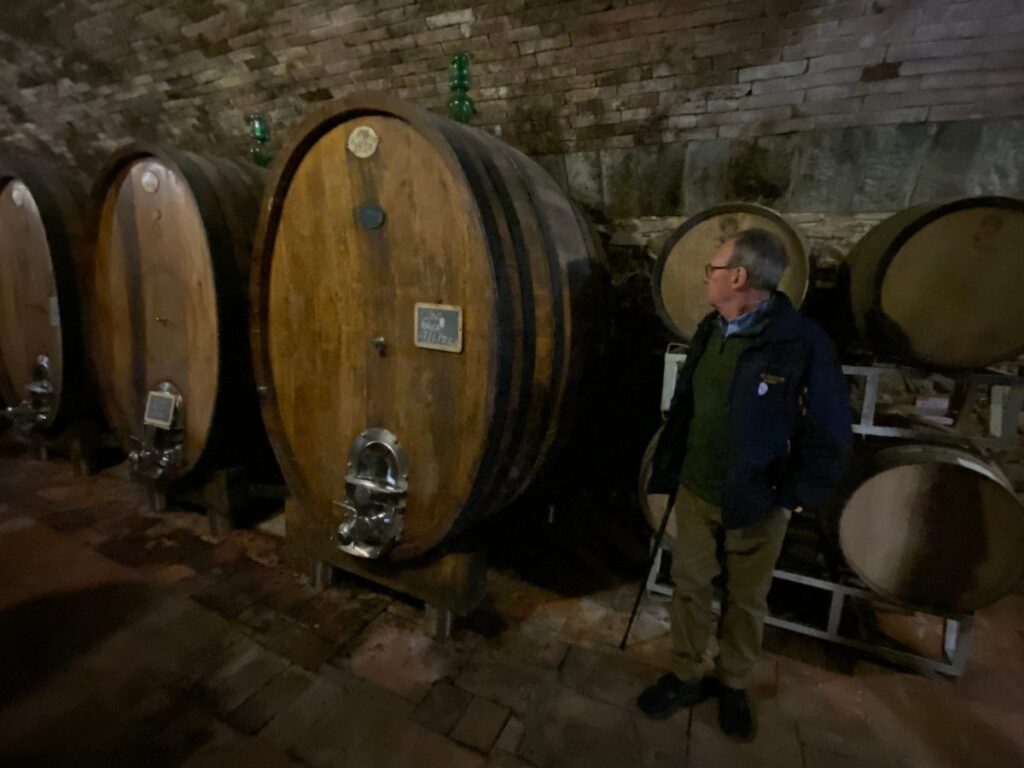
Our first stop was Fattoria San Michele a Torri. This was my favorite winery on the tour. Our tour guide, Gianna was fantastic – she was so good that I assumed she was part of the family – but she isn’t, she just works there. She showed us around the grounds and took us into the cellars explaining almost everything about their operation. They have to keep some family secrets a mystery. It was fascinating. In general, you hear that winemaking is a delicate process but I had no idea all the little things that can make or break the yearly wine production until this tour. Wow.
Gianna explained that they grow roses around the vineyard because they are in the same plant family as the grapevines. The roses act as a sort of a litmus paper. If a parasite is in the area, it will eat the roses first, giving the grower an opportunity to make adjustments as to not lose their vines. This particular winery is certified organic so controlling this process without pesticides or chemicals requires a delicate balance of their eco-system. This particular farm handpicks the grapes but uses machines to harvest the olives.
After the tour we went into a private room to taste the wine and olive oil (they had pressed this batch of oil within the last few weeks – yum!). The long, beautiful wooden tables were neatly set with two wine glasses and a plate with two small pieces of bread dressed with dark green olive oil. Here is another interesting fact about this region, they do not salt their bread (yes, you read that correctly). There are several stories going around as to why this is, but most people say it’s because in the year 1100 Pisa put a tax on salt and the Florentine people were not happy about it so they did without…and have held onto this grudge (their words not mine) ever since. So, when you’re in Florence, add a little salt to the top of your bread when you dress it with oil.
After Gianna poured our first glass of wine, she had us place a white napkin behind the glass to evaluate the color of the wine. Next she had us swirl the wine to bring out the aroma. We discussed the strong cherry and wood oak smells. Finally, she had us take a small sip to prepare our palates for a full drink which we were supposed to allow the wine to sit in our mouths for a few extra seconds to see what flavors we experienced on different parts of the tongue. I know nothing about wine so this was extremely interesting. The subtle differences in the color, smell and taste from the three wines we sampled were incredible. It’s amazing what you notice when you 1. Are taught by and expert and 2. Slow down to notice these tiny variations.
Thankfully, at the next stop, Casa Emma, we had lunch with our next four wine tastings. Whew. Now it made sense as to why there were vomit bags on the bus.
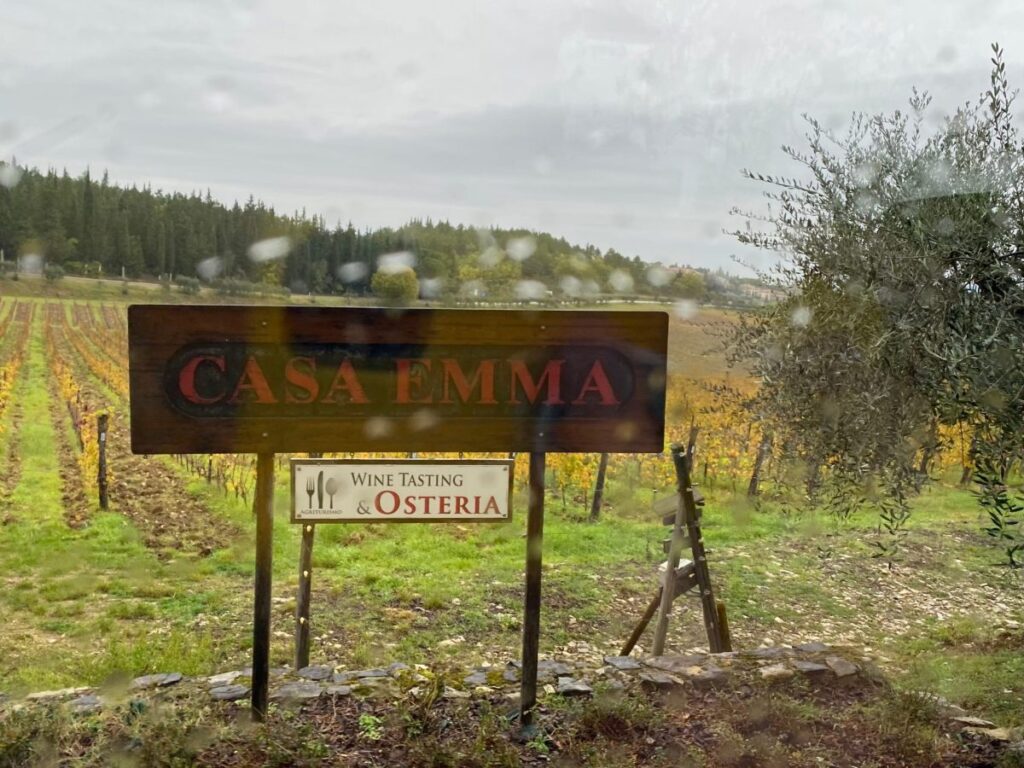
We tried three more red wines and one white. Did you know you can make white wine with red grapes? Just remove the skins, which is what creates the dye, and the guts of the grape are white. This particular vineyard also grows white grapes. They served us a lovely lunch of a sample plate of local meats, cheeses, and truffles for an appetizer and homemade gnocchi with tomato sauce. It was delicious. And for dessert, homemade biscotti which were the perfect consistency of a crunchy outside with a soft cheapness inside. It was splendid.
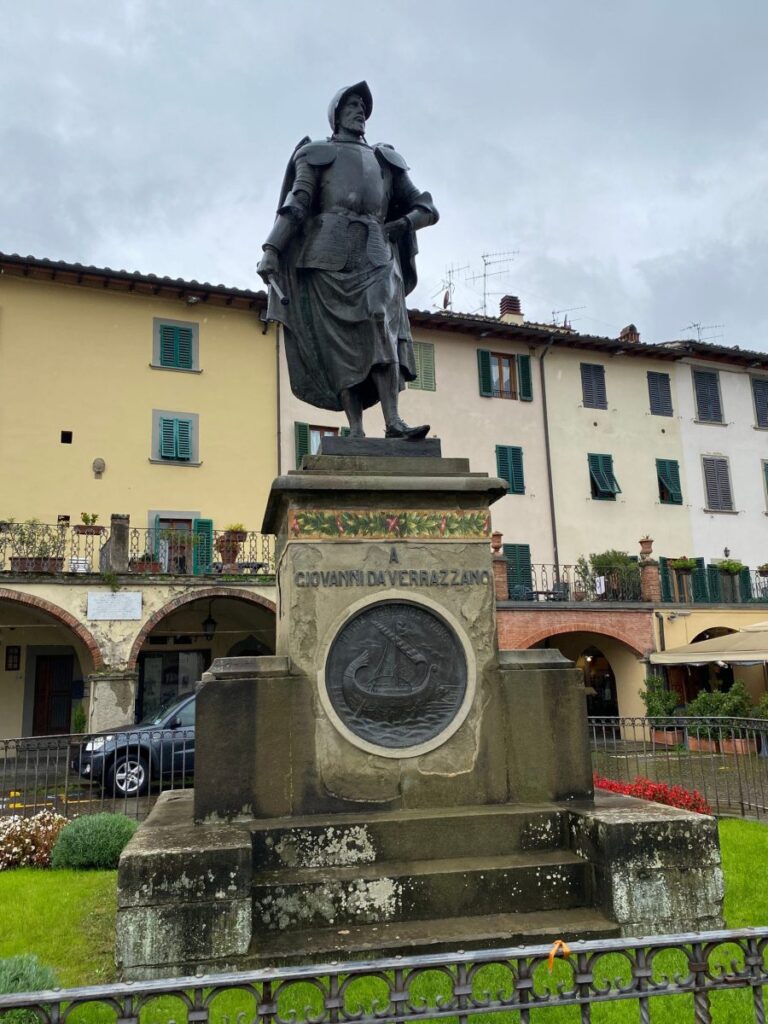
After lunch we made a pit stop in Greve to walk the square and have a macchiato. We also visited an old timey looking butcher shop Antica Macelleria Falorni. I bought some prosciutto and salami. It was fantastic!
The square also has a statue dedicated to the man whom the Verrazzano Bridge is named after that connects Staten Island to Brooklyn.
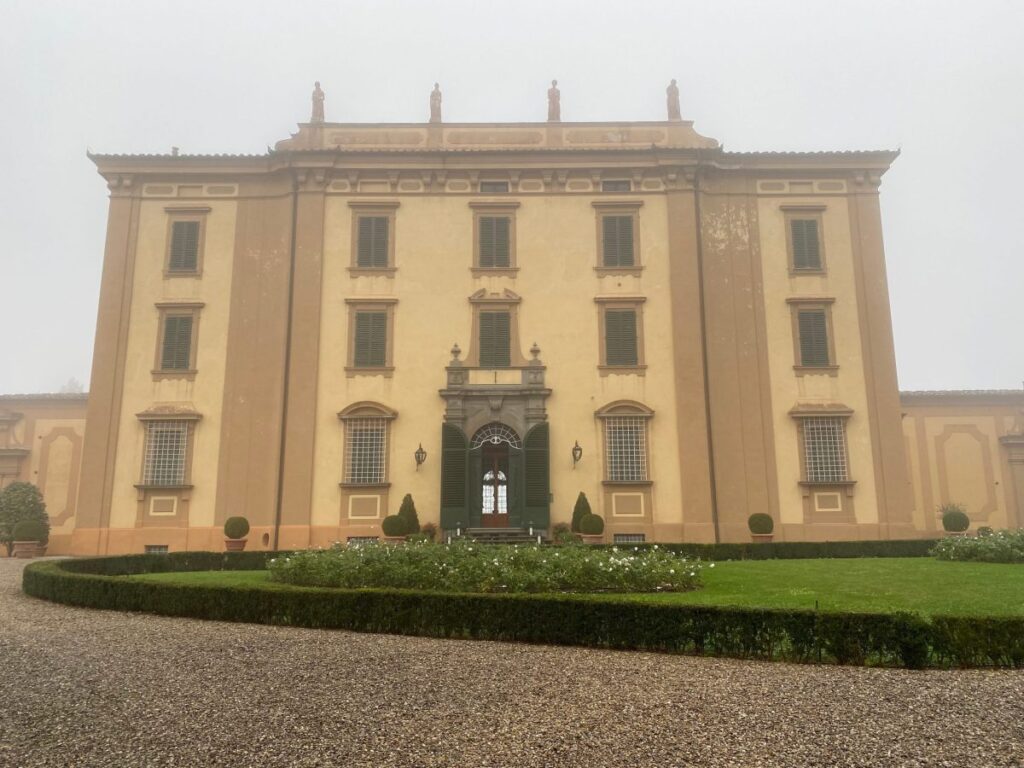
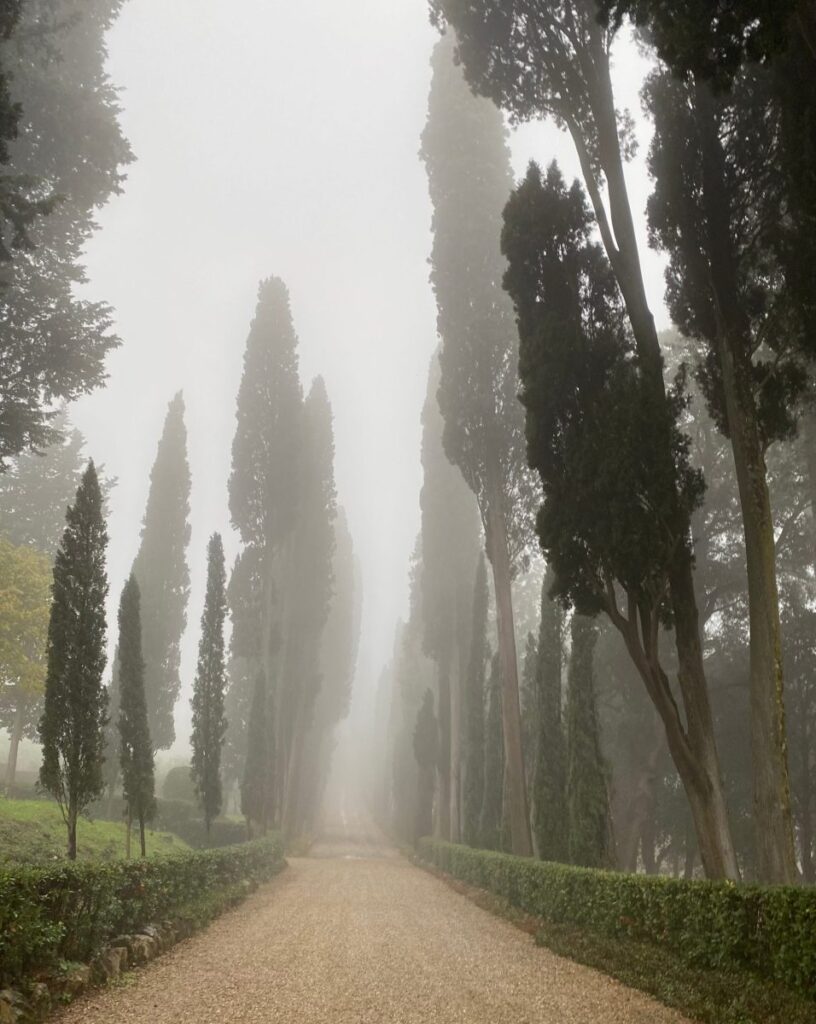
Our final stop was at a beautiful estate, Poggio Torselli, nestled in the hills with a full view of Florence – so they say. It was rainy and foggy – which made it a little magical and mysterious – most of the day so we couldn’t see the city but I imagined it in my mind. This is an estate that Napoleon Bonaparte and several Popes have visited and stayed for a short term. We were not allowed inside the house, a private family owns it now but the guide said it’s a historic site preserved by the government and the family is not allowed to move the furniture. Hmmm.
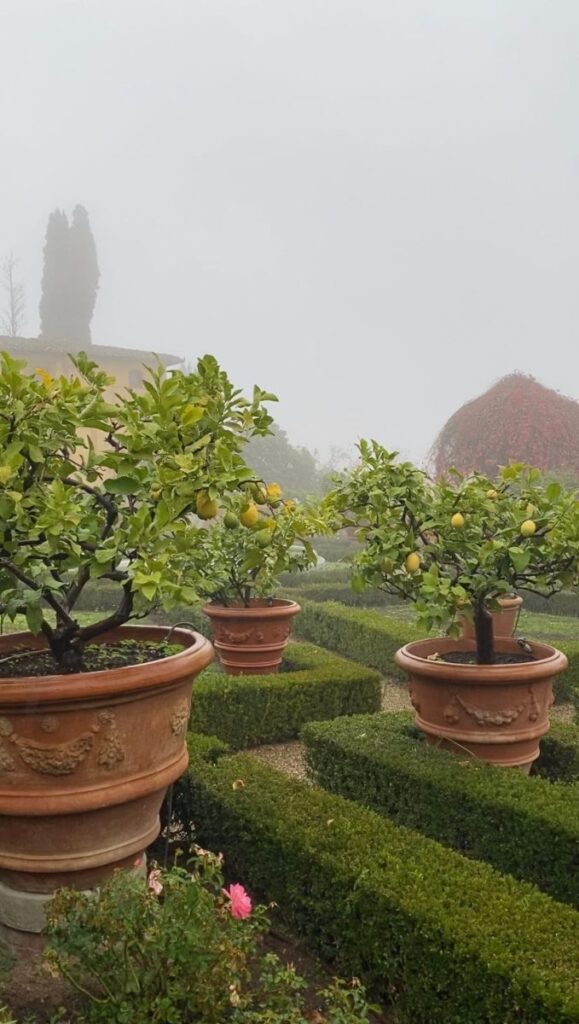
We were allowed in the back yard where they have several lemon trees that they move by hand twice a year in and out of the greenhouse for the winter. It was a stunning property.
We tried three more wines from this estate and that put the group just about over the top. No vomit bags were used though, thank goodness.
It was a really enjoyable tour and one I will remember for quite a while. I feel like I learned a great deal not only about wine and olive oil but about the history and the culture of winemaking.
If you come to Florence, I’d definitely recommend adding this to your list of experiences to try.
Goodnight and much love from Italy! 🇮🇹
Bottoms up!